EV Leasing: How Much Can You Save on Fuel?
Electric vehicle leases are surging in popularity. Find out how much you can actually save on fuel costs by leasing an EV instead of a gas-powered car.
Quick answer
Leasing an EV can save roughly $900–$1,000 per year in fuel versus a comparable gas car. At about 13,500 miles a year, EV electricity costs around $650 versus about $1,575 for gasoline — a savings near $927/year, or roughly $2,781 over a 3-year lease. EV leases still have the same mileage limits as gas leases.
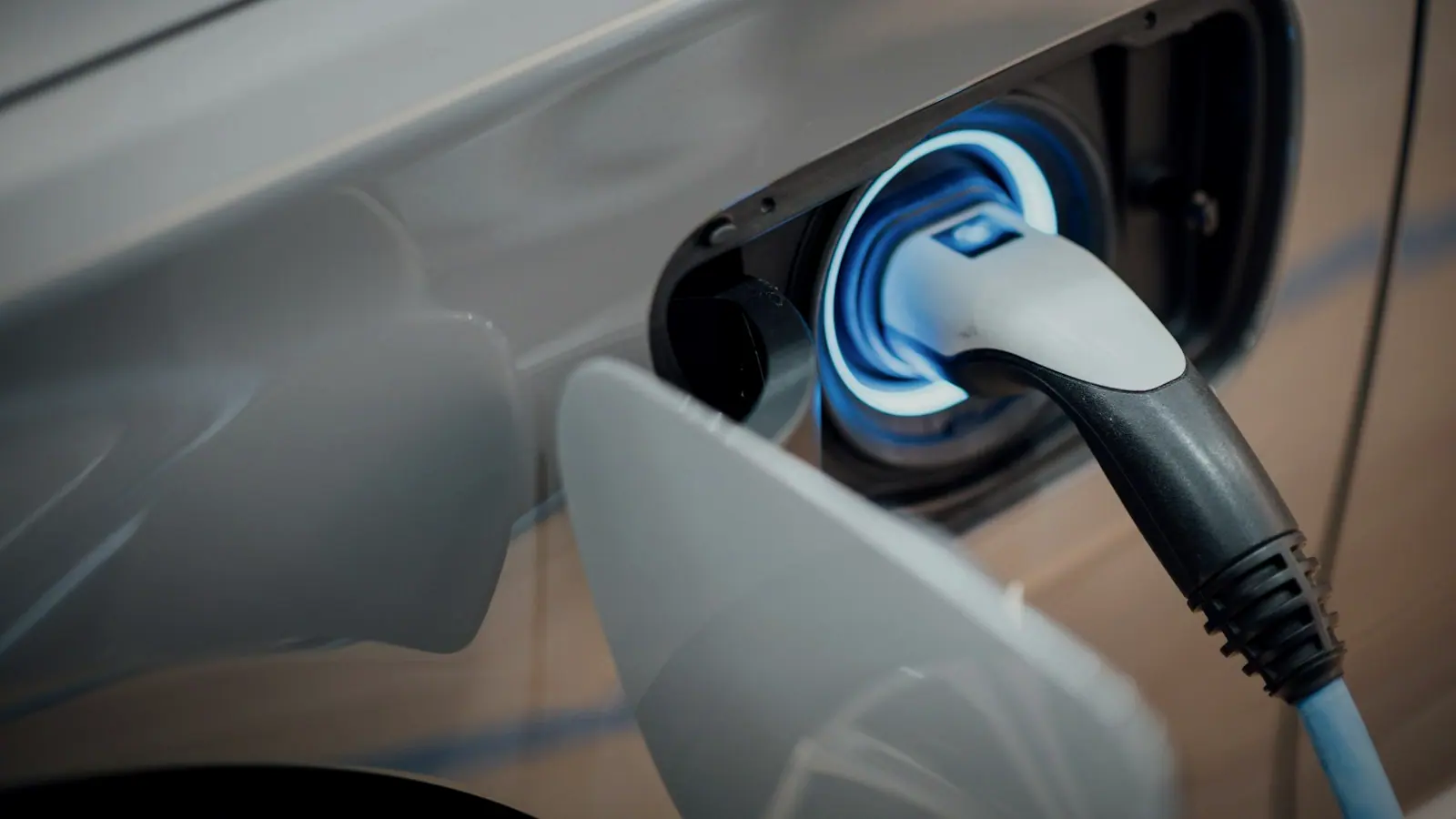
The Fuel Savings Breakdown: EV vs Gas
Electric vehicle leasing has become one of the fastest-growing segments in the auto industry, and for good reason. Leasing an EV lets you enjoy the latest electric technology without the long-term commitment of ownership, and the fuel savings alone can be dramatic. The average American drives about 13,500 miles per year. In a gas-powered car that gets 30 miles per gallon with gas at $3.50 per gallon, that is roughly $1,575 in fuel costs annually. An equivalent EV using about 0.30 kWh per mile at the national average electricity rate of $0.16 per kWh costs just $648 per year to charge.
- Gas vehicle: 13,500 miles ÷ 30 MPG × $3.50/gal = ~$1,575/year in fuel
- Electric vehicle: 13,500 miles × 0.30 kWh/mi × $0.16/kWh = ~$648/year in electricity
- Annual savings: ~$927 per year
- 3-year lease savings: ~$2,781 in fuel costs alone
Over a typical 3-year lease, switching from a gas car to an EV saves approximately $2,700-$3,000 in fuel costs alone. Combined with lower maintenance costs, the total savings can exceed $4,000.
Maintenance Savings Add Up Too
The savings picture gets even better when you factor in reduced maintenance costs. Electric vehicles have fewer moving parts than gas-powered cars, which means no oil changes, no transmission fluid, no timing belt replacements, and significantly less brake wear thanks to regenerative braking. Over a three-year lease, the maintenance savings can add up to another $1,000 to $1,500 compared to a comparable gas vehicle. Combined with fuel savings, an EV lease can put $4,000 or more back in your pocket over the lease term.
Why Leasing Is Ideal for EVs
Leasing is particularly well-suited for EVs because battery technology is advancing rapidly. By leasing rather than buying, you avoid the risk of owning a vehicle whose battery range and technology may feel outdated in five to seven years. Every few years, you can upgrade to a newer model with better range, faster charging, and improved features.
Important update: the federal EV tax credit is gone. Under Public Law 119-21 (the One Big Beautiful Bill Act, enacted 4 July 2025), the New Clean Vehicle Credit under section 30D and the Commercial Clean Vehicle Credit under section 45W both ended. The IRS states plainly that “the New Clean Vehicle Credit is not available for vehicles acquired after Sept. 30, 2025” (irs.gov). That section 45W credit was the one leasing companies claimed and passed through to lessees as a capitalised-cost reduction — the so-called EV lease loophole — so that pass-through is no longer available on new leases either. If you are comparing an EV lease today, do not assume a $7,500 discount is baked into the payment; ask the dealer to show you where any advertised incentive actually comes from. Some states still offer their own EV incentives, and those are unaffected by the federal change.
EV Mileage Tracking Still Matters
If you are considering an EV lease, it is still important to track your mileage carefully. EV leases come with the same mileage restrictions as gas vehicle leases, and overage fees apply just the same. LeaseMiles supports EV leases with a dedicated fuel savings calculator that shows you exactly how much you are saving on energy costs compared to a gas vehicle, in addition to tracking your mileage pace and projected overage.
The app calculates your real-time fuel savings based on your actual miles driven, local electricity rates, and the gas price you would have paid in a comparable vehicle. It is the complete tool for getting the most financial benefit from your electric vehicle lease — combining mileage tracking, cost analysis, and savings visualization in one place.
LeaseMiles Team
We build LeaseMiles, a free iOS app for tracking mileage on a leased car. We write about lease mileage allowances, excess-mileage charges, EV running costs and lease-end — and we cite a primary source for every number.
Frequently Asked Questions
Yes. Electric-vehicle leases use the same mileage allowances as gas-car leases — typically 10,000–15,000 miles per year — with the same per-mile overage fees if you exceed them. Tracking your mileage matters just as much on an EV lease.
At about 13,500 miles a year, charging an EV costs roughly $650 versus around $1,575 for gas — saving close to $927 annually, or about $2,781 over a typical 3-year lease, depending on local electricity and gas prices.
Track Your Lease Mileage with LeaseMiles
Stay on top of your lease mileage, avoid overage fees, and save money. Download LeaseMiles free on the App Store.
Related Articles
Leasing vs Buying: Which Is Right for You?
Weighing the pros and cons of leasing versus buying your next car? This comprehensive guide breaks down costs, flexibility, and long-term value.
TipsHow to Track Your Lease Mileage (The Easy Way)
Stop guessing how many miles you have left on your lease. Discover the simplest methods to track your lease mileage and avoid costly overage fees.
TipsHow to Avoid Lease Mileage Overage Fees
Overage fees can add thousands to your lease cost. Learn proven strategies to stay within your mileage limit and save money at lease end.
